Guest writer: Nina Sumner
Invisible Upgrades that Make a Classic Truly Practical
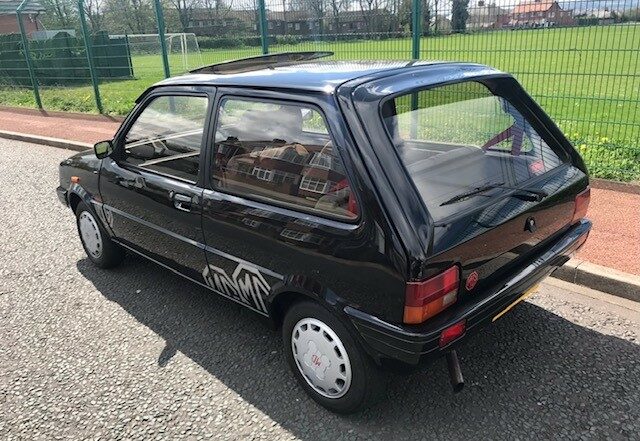
There are moments in every classic car owner’s life when it strikes us that we are not quite driving in the same kind of world the car was built for. It happened to me last week on a wet, blustery June morning that looked and felt more like October. It wasn’t anything dramatic, no near-death experience or anything, and the car wasn’t even a particularly old one, just a little old Metro that found its way onto my driveway like a stray dog a couple of months ago – but that’s a story for another day.
But as I battled gamely down the A130 in the morning rush, everything felt a little out of kilter. The cars around me seemed to be working to a different set of rules, and even the weather felt harsher than it ever was in 1988 when the car rolled off the production line. Part of that was because this is a car I’ve acquired recently and it really is pretty much as it was when it was born in Longbridge 38 years ago. If I keep it for any length of time, I’ll be making some simple improvements, and I might touch on that next time. But that experience got me thinking in more general terms about simple improvements that can make any classic so much more practical as a daily driver without changing its character. Some of the most useful are ones you never really see.
Stopping without the drama
Braking is usually where the conversation starts, and for good reason. Classics were designed with completely different levels of traffic density in mind. It’s not that they are unsafe by design, more that they are operating in conditions they were never asked to imagine.
What tends to make the difference now is not a single transformation, but a series of small, careful refinements. Be honest, when did you last change your brake fluid? And how old are your hoses? Just changing these delivers a firmer pedal response that feels less elastic under pressure.
Even more noticeable are the conversions that hide in plain sight. With drums all round, stopping is always going to demand some leg muscles, but disc brake upgrades can sit quietly behind steel or wire wheels and nobody need ever know. Dual-circuit systems add a layer of reassurance without changing a single visual cue inside or out.
Tyres and the quiet evolution underneath
Tyres are easy to overlook because they always look the same. But this is one of the areas where the modern world has genuinely moved on in ways you don’t see at a glance. Modern rubber compounds are doing far more work than they used to, particularly in the wet. Silica-enhanced formulations, now widely used across tyre manufacturing, have changed the way rubber behaves under load and temperature. Grip becomes more consistent, heat builds more slowly and as a result, the car feels more sure-footed, even on a cold, wet morning in the middle of summer.
The same material thinking has found its way into brake seals, engine mounts and so on too, where longevity matters just as much as performance. When rubber doesn’t harden quite so quickly, components stand half a chance of functioning the way they should without being replaced every couple of years.
It’s the kind of detail that sits underneath the driving experience rather than on top of it and it reflects a wider shift in how materials are understood and handled across industries, from automotive to construction. It’s something I’ve noticed being talked about more widely, even beyond the automotive world, in areas like silica training courses.
Seeing and being seen
Most classic lighting systems were built for a slower, dimmer world, and even in a relatively modern car like my 2004 Hyundai Getz, it’s noticeable just how much brighter everyone else’s lights are. Upgrading is often just about improving what already exists.
That might include putting better bulbs within original housings or bringing the shine back to reflectors that have had decades to tarnish. Just make sure the fuses and wiring are up to the task if you go for more powerful bulbs. If it’s not, simple upgrades here can also make the car safer and really serve to future-proof it for generations to come.
The feel of the road, slightly refined
Suspension and steering changes are often the point where people worry about losing “feel.” But in my experience, the opposite is more likely to happen. Worn bushes replaced with modern equivalents only serve to make you feel more connected with the car, improving the translation of driver input into vehicular movement.
Even small changes in geometry or damping can settle a car at higher speeds in a way that makes longer journeys less tiring and more engaging. Electric power steering conversions exist now in forms that are surprisingly discreet, but even without going that far, there is often a lot to be gained simply from restoring and tightening up what the sands of time have loosened.
Nina Sumner is our guest writer.
Nina blends her teaching expertise and journalistic savvy to craft stories that resonate deeply and educate effectively. With a career that spans the dynamics of classrooms and the buzz of newsrooms, she brings authenticity and a rich understanding to her writing. Guiding young writers and engaging readers, Nina’s approach is hands-on and heart-led. Her work embodies the convergence of knowledge and narrative, proving that with the right mix of curiosity and compassion, words can truly make a world of difference.
Do you have relevant content that aligns with our love for classics, do you want to reach the fastest growing classic community online? If so please get in contact with your articles, videos, or other forms of content as we are committed to promoting and celebrating the skills of all enthusiasts on our platform. Just drop us a mail: team@evoke-classics.com and we’ll be in touch.