Guest writer: Nina Sumner
Future-Proofing Your Garage for the Next Generation of Classics
For generations, the classic car garage has been a place of oily rags, old coffee mugs, scattered tools and the unmistakable smell of engine oil. In fact, at first glance and first sniff, my garage at home looks pretty similar to the one in which my Dad held court 30 odd years ago and where I cut my teeth (and skinned a knuckle or two) as his willing assistant.
But even in the classic car world, time doesn’t stand still. Regardless of the classic, a decent socket set will always be needed, but while other tools like the humble feeler gauge, are gradually being consigned to the back of the toolbox, there are others appearing that would have had my dad shaking his head 30 years ago. A diagnostic tablet, a home charging point or even a 3D printer would once have sounded more like something from a science fiction film than a classic car workshop. That doesn’t mean the traditional garage is disappearing. Far from it. It simply means that the best workshops of the future will combine old-fashioned mechanical knowledge with a few carefully chosen modern upgrades.
Better power for a changing hobby
One of the biggest changes to the home garage is likely to be the need for better electrical provision. The days when a single socket and an old extension lead were enough are slowly disappearing. Even if your pride and joy dates from a simpler era of carburettors and chrome bumpers, modern ownership increasingly relies on electricity. Battery conditioners, compressors, lighting, diagnostic equipment and tools all need a reliable supply. And for many enthusiasts, an electric vehicle is becoming part of the picture. We’ve talked in the past about EVs becoming classics and we’ve even touched on electric conversions for older vehicles. A dedicated charging point is a sensible addition for anyone looking to future-proof their garage, and understanding the likely cost of installing an EV charger at home is a useful first step before making any plans. A properly installed charger means you have the right infrastructure in place as vehicles continue to change.
Throwing my laptop into the toolbox
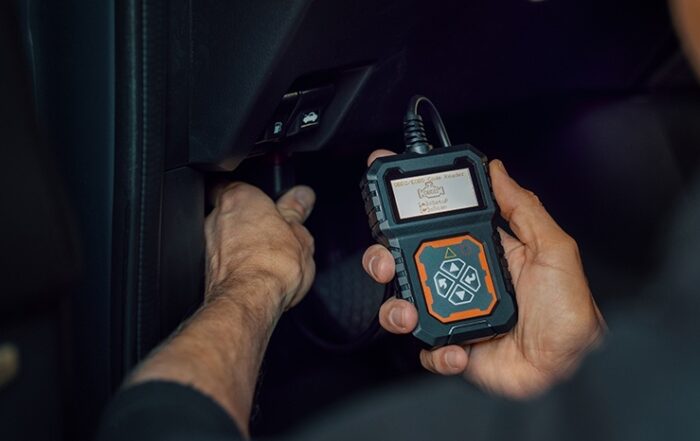
For many of us, the idea of plugging a car into a computer still feels slightly wrong. But here’s the thing: OBD ports became standard more than 30 years ago. Even the less modern modern classics like the Vauxhall Calibra or Mk3 Golf rely on electronic brains so fault-finding is no longer just about listening to the engine and checking a spark plug. A basic diagnostic scanner has become almost as useful as a good set of sockets. Even relatively affordable equipment can help identify problems, read fault codes and provide information that would previously have necessitated the services of a specialist auto-electrician.
Throwing a lot of light on the subject
Sometimes the best improvements are the least glamorous. Good lighting might not sound exciting, but anyone who has tried to find a tiny electrical fault or inspect hidden rust with a torch balanced between their teeth will appreciate the difference. Modern LED lighting has transformed the home workshop. Bright overhead lights, portable inspection lamps and under-car lighting make life both easier and safer. For those of us who have gone down the rabbit hole of a full-scale restoration, small inspection cameras and endoscopes can also be invaluable. They basically allow you to look inside cavities and investigate potential problems without having to dismantle half the car.
Smarter battery care
Is it just me or does everyone’s classic have a complicated relationship with batteries? Every car I’ve had seems to have had a knack of draining even a brand-new battery if it’s left alone with it for too long. Modern battery maintainers and smart chargers have made long-term storage much easier. They can monitor battery condition, adjust charging levels and help prevent the disappointment of finding your pride and joy has eaten yet another one when it’s time to come out of winter hibernation. Even this traditional area of ownership is changing, with lightweight lithium batteries becoming more common among some enthusiasts. The principle remains the same, though: looking after the basics keeps cars on the road.
The rise of the home fabrication corner
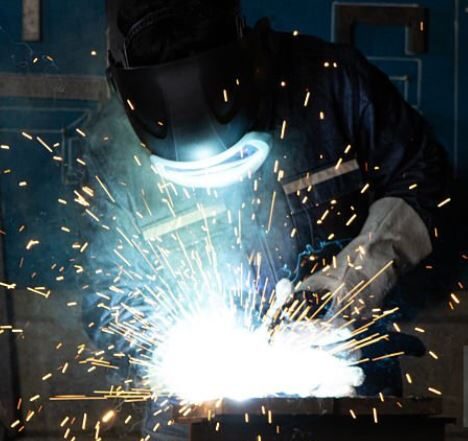
Another interesting development is the accessibility of tools that were once reserved for professional workshops. A small home fabrication area can now include equipment that would have seemed futuristic even a decade ago. Compact welders, affordable air tools and even 3D printers are becoming increasingly common in enthusiast garages. A 3D printer might not sound like a classic car tool, but when a small plastic trim clip or interior component is no longer available, being able to reproduce a simple part can be incredibly useful. This sort of technology is never going to replace traditional craftsmanship, but it does give us more options when we are striving to keep older vehicles alive.
The garage is still the garage
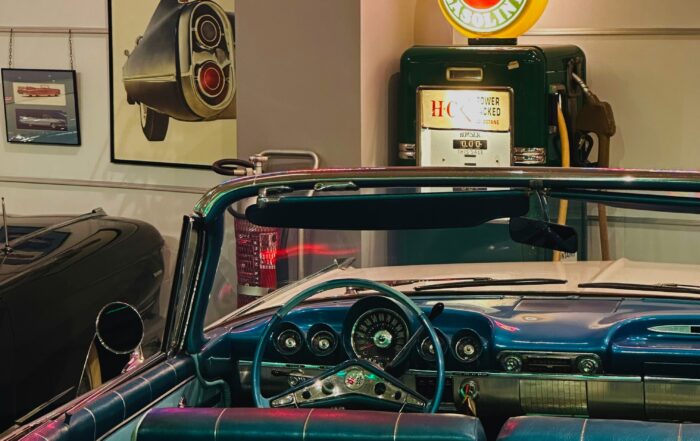
Despite all these changes, the classic car garage of tomorrow will probably look surprisingly familiar. There will still be old posters on the walls, spare parts waiting to be fitted and a project that has somehow taken three times longer than planned sitting in the corner.
The difference is that alongside the traditional tools there may be a charging cable, a diagnostic tablet and a 3D printer quietly producing a replacement component. The important thing is that the spirit remains the same. Classic car ownership has always been about adapting, learning and finding solutions. Whether that means rebuilding a carburettor, tracking down an electrical fault or exploring new technology, enthusiasts have always found ways to keep their cars moving. The garage might be changing, but the passion behind it is not.
Nina Sumner is our guest writer.
Nina blends her teaching expertise and journalistic savvy to craft stories that resonate deeply and educate effectively. With a career that spans the dynamics of classrooms and the buzz of newsrooms, she brings authenticity and a rich understanding to her writing. Guiding young writers and engaging readers, Nina’s approach is hands-on and heart-led. Her work embodies the convergence of knowledge and narrative, proving that with the right mix of curiosity and compassion, words can truly make a world of difference.
Do you have relevant content that aligns with our love for classics, do you want to reach the fastest growing classic community online? If so please get in contact with your articles, videos, or other forms of content as we are committed to promoting and celebrating the skills of all enthusiasts on our platform. Just drop us a mail: team@evoke-classics.com and we’ll be in touch.